
What is actually in a STEM robot kit

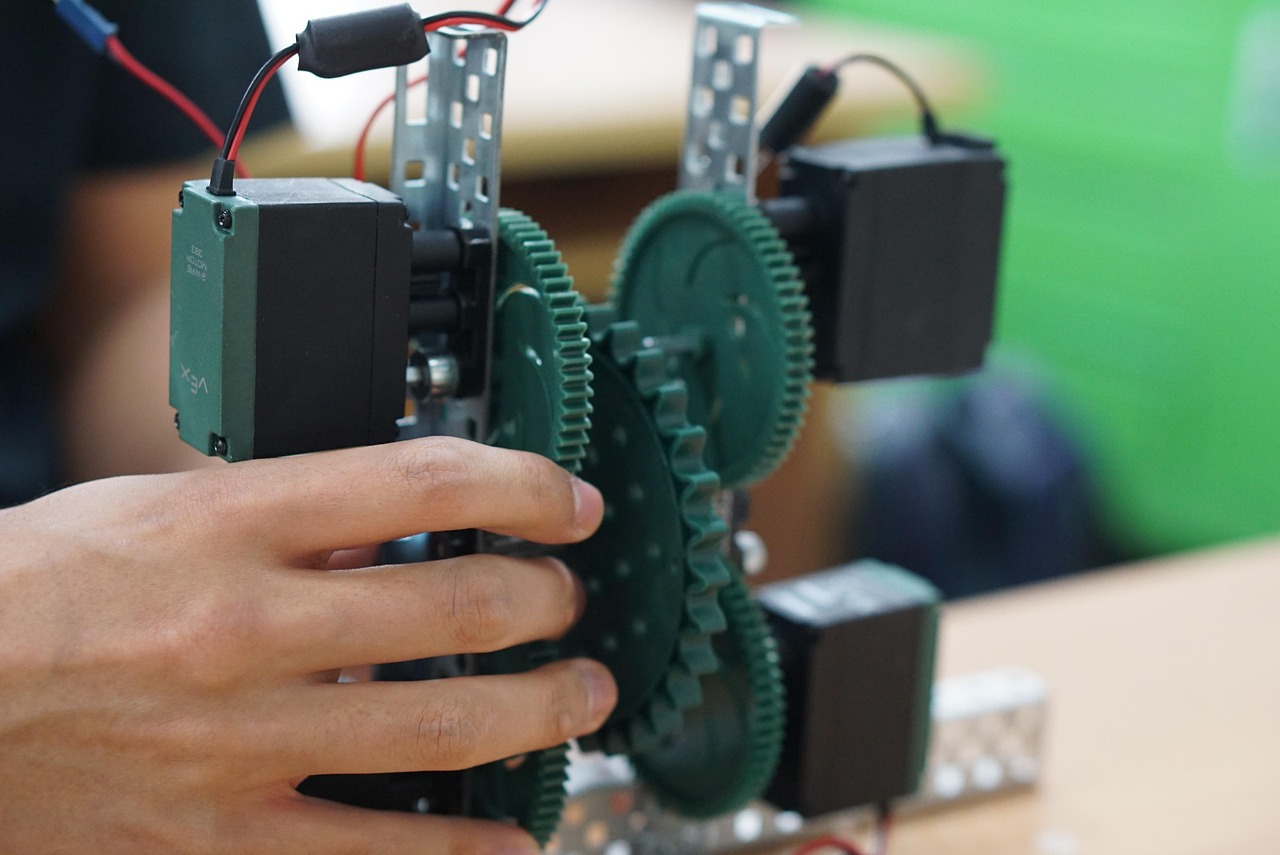
What is actually in a STEM robot kit
A robot building kit is two products in one box: a construction set and a programmable controller. Understanding which of the two you are mainly buying explains most of the price differences on this shelf, and it explains why some kits are loved and some are abandoned halfway through.
Here is what the specifications actually mean.
Piece count is mostly small parts
A 500-piece kit is not 500 structural components. It is beams, connectors, pins and a large number of very small fixings. The headline number tells you roughly how big the build is and almost nothing about how complex the finished robot will be.
Build time is a better guide, where the maker states one.
The controller is the actual product
Everything else can be rebuilt into other models; the controller is what makes it programmable and it is where the cost sits. Look at how many motor and sensor ports it has, what it can be programmed with, and whether it is rechargeable.
A kit with a good controller and fewer pieces will last longer than the reverse.
Motors and what they change
Two motors give you drive and steering. Four allow an arm or a second mechanism as well. The number of motors is the single biggest constraint on what can actually be built after the first model.
It is usually stated on the box and is on our listings.
Sensors are what make it interesting
Distance, line-following, colour, sound. Without a sensor a robot can only follow a fixed sequence; with one it can respond, which is the step from sequencing to conditions.
A kit with no sensors is a remote-control vehicle with a programming feature.
How many models, honestly
Kits advertise a number of buildable models, and that number is usually the count of models with printed instructions. Most children build one or two from instructions and then start improvising, which is the point.
Where instructions are app-only rather than printed, that is worth knowing before buying.
Build time
A 500-piece model is typically three to five hours for a child working with occasional help — usually spread over several sittings rather than one afternoon. Kits at 800 pieces and above are weekend projects.
Setting that expectation in advance prevents a lot of disappointment.
What you have to supply
Frequently: batteries, a phone or tablet for the app, and sometimes a computer for the programming environment. Occasionally a screwdriver, though most kits include one.
The contents list on the product page is the manufacturer’s own, and it is worth reading before ordering.
Compatibility with other systems
Some kits use standard beam-and-pin geometry that mixes with other construction systems; some are proprietary. Mixing considerably extends what can be built and is worth checking if there is already a construction set in the house.
Where a maker states compatibility we repeat it; where they do not, assume proprietary.
Where kits go wrong
Almost always at setup: an app that requires an account, a firmware update over a slow connection, or a controller that will not pair. The kits with the best reputations are the ones that work from the box with printed instructions.
If a kit is for a gift, this is the specification to care about most.
Storage
Five hundred small parts need a compartment box or they will be lost within a month, and a kit missing three pins is a kit that cannot be rebuilt. Some kits include a tray; most do not.
A cheap parts organiser is the accessory that most extends a kit’s life.
Age bands are about the build, not the code
A kit marked eight and up is marked for the dexterity and patience of the assembly rather than the programming, which is often simpler than the building. A younger child with an adult building alongside can manage a kit above their band.
The band is still a small-parts statement, so it matters for households with toddlers.
Where to look
Robot building kits for the construction-led ones, app and remote robots where driving matters more than building, and coding learning kits for the electronics side.
Piece counts and contents are on every listing; delivery is on the shipping policy page.
Building it together without taking over
A five-hundred-piece kit is genuinely difficult for a child working alone, and most are built with an adult alongside. The failure mode is well known: the adult, who is faster and reads instructions more fluently, ends up building the robot while the child watches and then loses interest in programming something they did not make.
The arrangement that works is to split the job explicitly — the child finds and sorts the parts for each step, the adult handles anything that needs real force, and the child does the final connection every time. It is slower and it produces a robot the child considers theirs, which is the entire point of buying a construction kit rather than a finished one. If time is short, build over several evenings rather than taking over to finish it in one.